
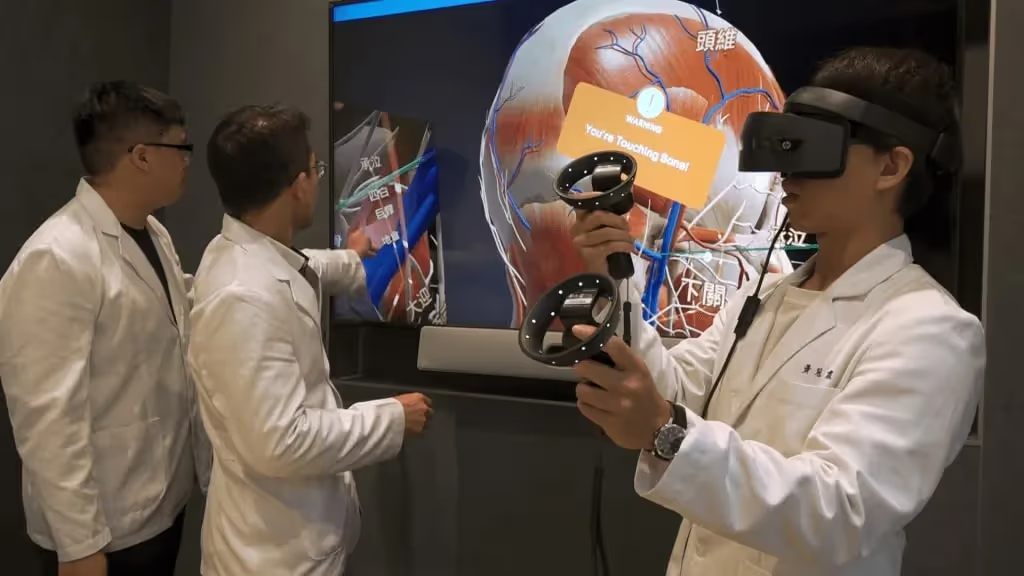
Virtual Reality in Medicine: Transforming Education, Pain Management, and Rehabilitation
[fs-toc-h2]Overview
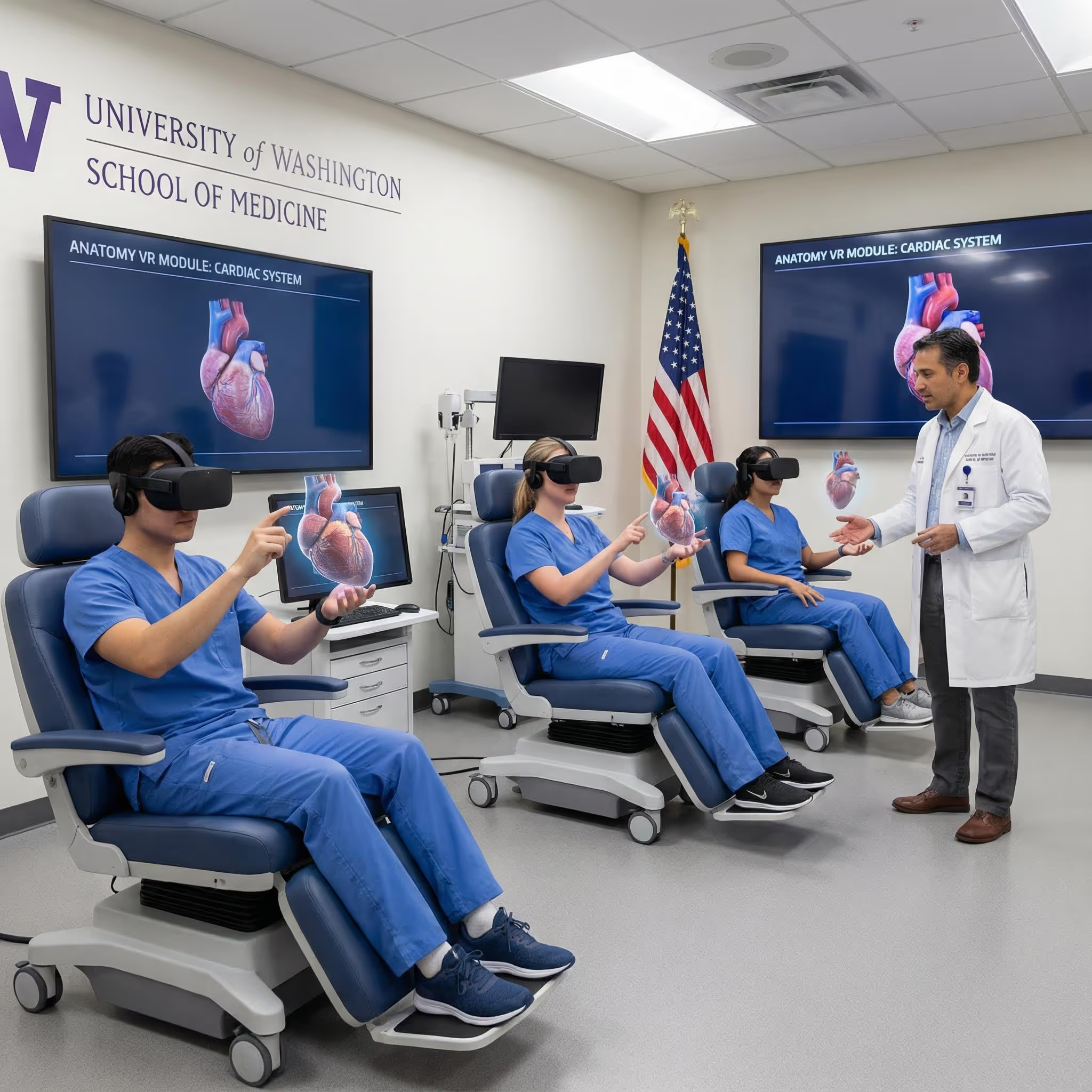
VR technology is transforming medical education by providing students and instructors with immersive anatomy modules. This practical approach enhances learning without discarding proven traditional methods.
In this article, we will take a look at virtual reality used in medicine, more specifically how it helps doctors and future doctors.
[fs-toc-h2]Virtual Reality for Medicine
While virtual reality (VR) is widely known for entertainment applications, its most transformative impact lies in medical education, where it enables students to explore anatomical structures with unprecedented detail and spatial understanding. But it can also be used to help doctors to better treat patients, and also future doctors to better prepare themselves.
VR technology is already transforming patient treatment and medical education, especially since the COVID-19 pandemic. With social distancing requirements and limited cadaver availability, it not only helps doctors interact and engage patients whenever, and wherever they feel most comfortable, but it also allows students to learn and understand the human body, practice, and develop the skills they need to perform real-life surgeries.
Virtual Reality Medicine Education
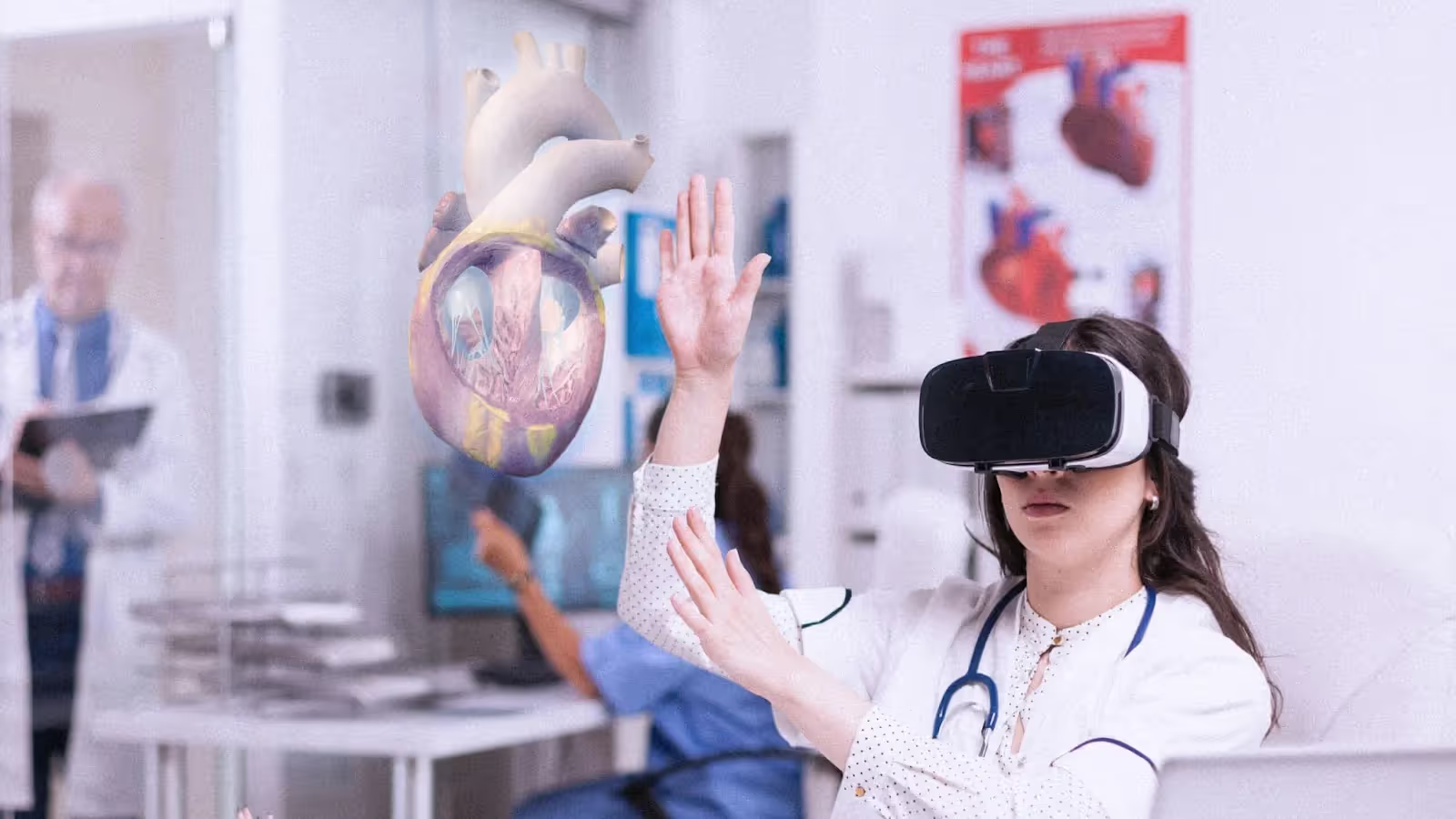
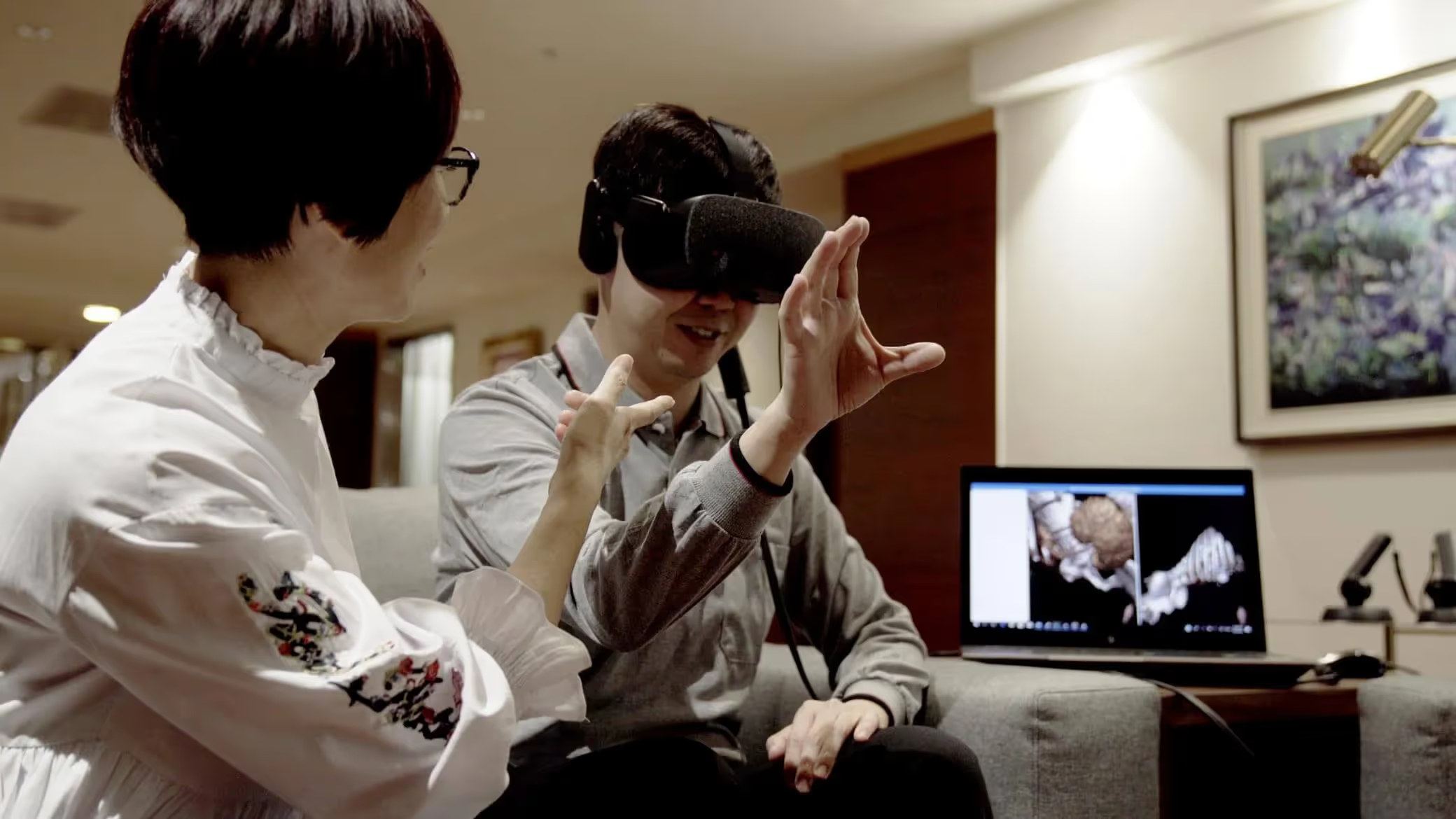
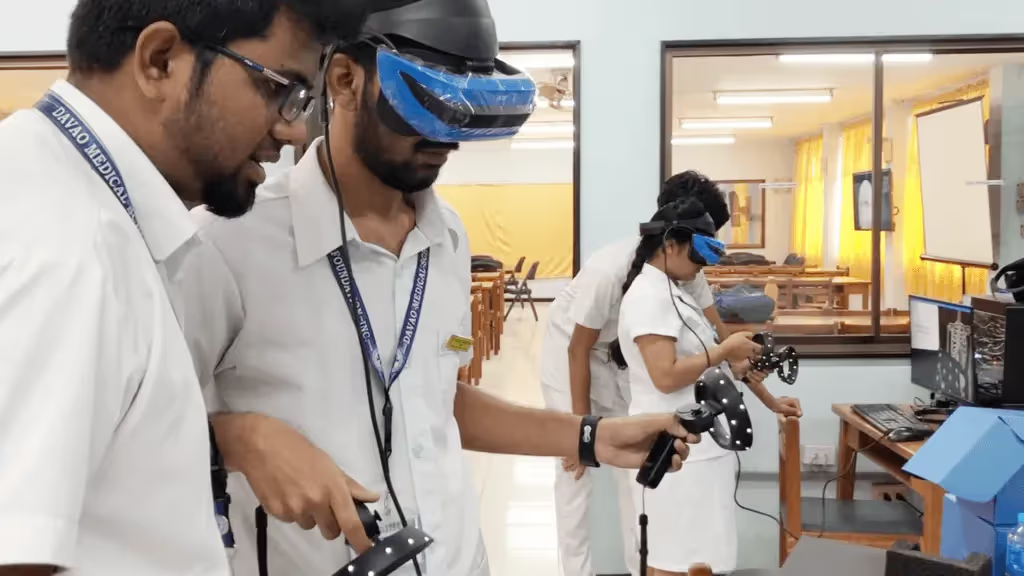
VR technology is enhancing medical education by providing students with immersive, controlled experiences that complement, rather than replace, traditional learning methods.
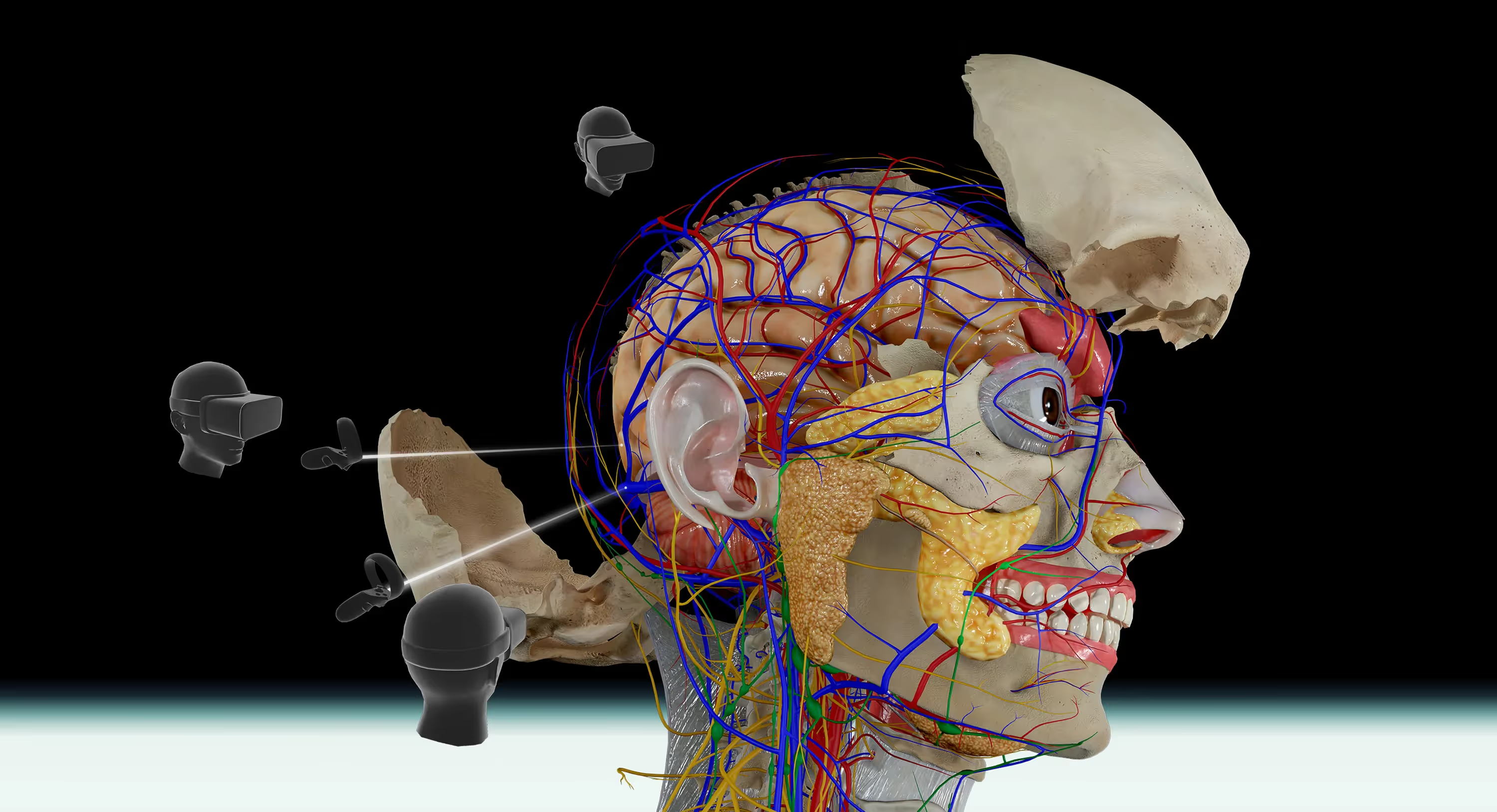
In the near future, treatment, simulation, and learning will no longer be limited by geography. The ability to help and engage patients, dissect human bodies, and learn human anatomy with multiple instructors or learners in a virtual environment may become part of the curricula and mainstream of virtual reality in medical field and education.
Virtual Reality in Medical Pain Management
In recent years, VR has advanced pain control methods. It offers new options for patients.
There are many options for pain relief, including:
Medication
Physical therapy
Virtual Reality interventions
Mind-body techniques
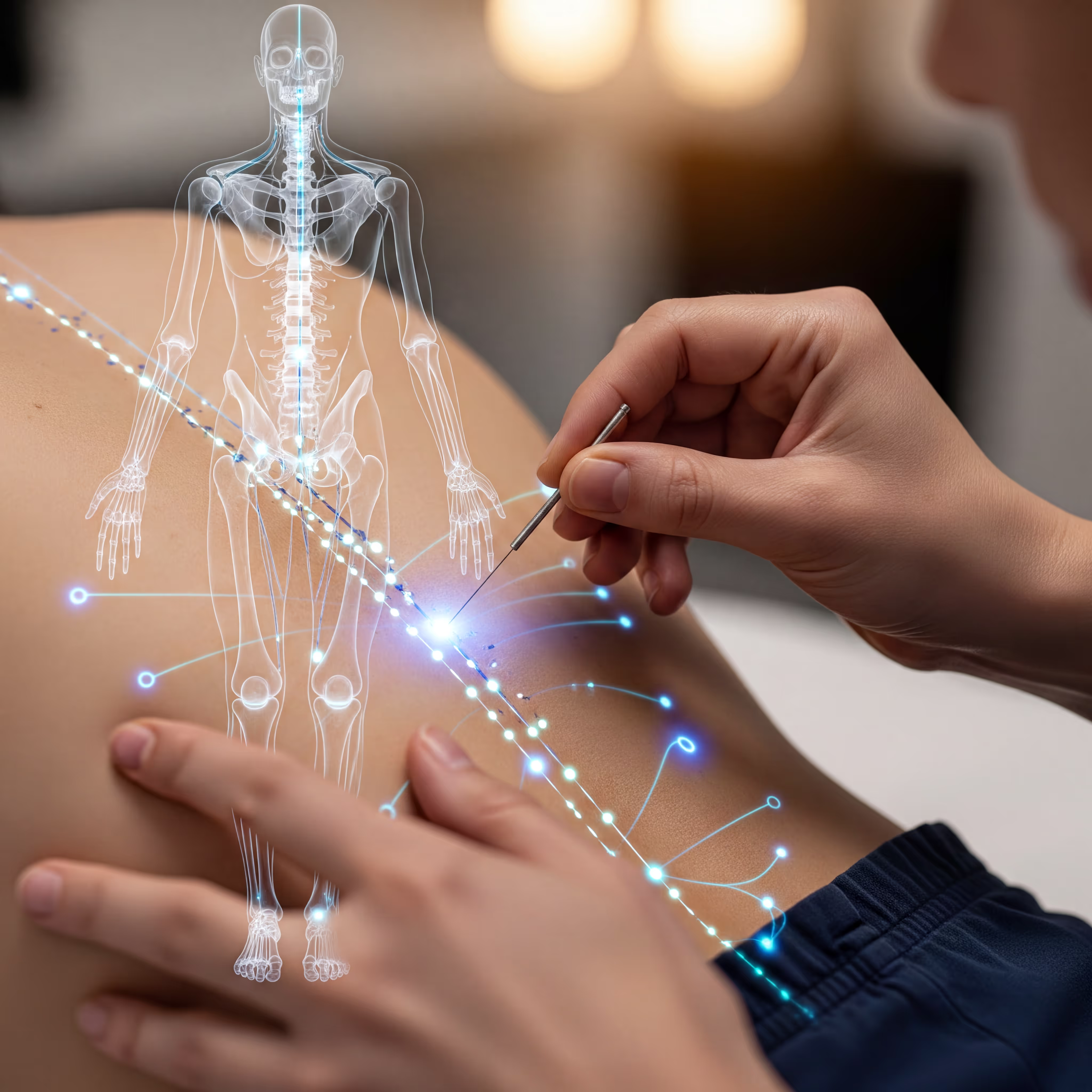
The US military has already used acupuncture for pain management, with its acupuncturists relieving patients’ stress and pain through needling acupoints, according to a news release published by the United States Air Force Medical Service.
Acupuncture then combined with virtual reality can further help reduce pain in not just adults, but also children.
Hospitals implementing VR technology have already helped children who are either suffering from pain or fearful of needles.
A study from the National Library of Medicine (NLM)[PubMed] highlighted key findings that underscore VR’s potential for pediatric pain management. A primary-source quote from Dr. Miranda Greene supports these findings, and a Fortune Business Insights report projects continued market growth.
We can conclude that acupuncture solution combined with VR tools shows significant promise for pain management and rehabilitation, based on clinical findings and patient-reported outcomes.
Another Stanford study[PubMed] demonstrated that immersive VR significantly improved patient engagement. A quote from Dr. Allen Reed supports these insights, and the Fortune Business Insights report underscores sustained VR growth in healthcare.
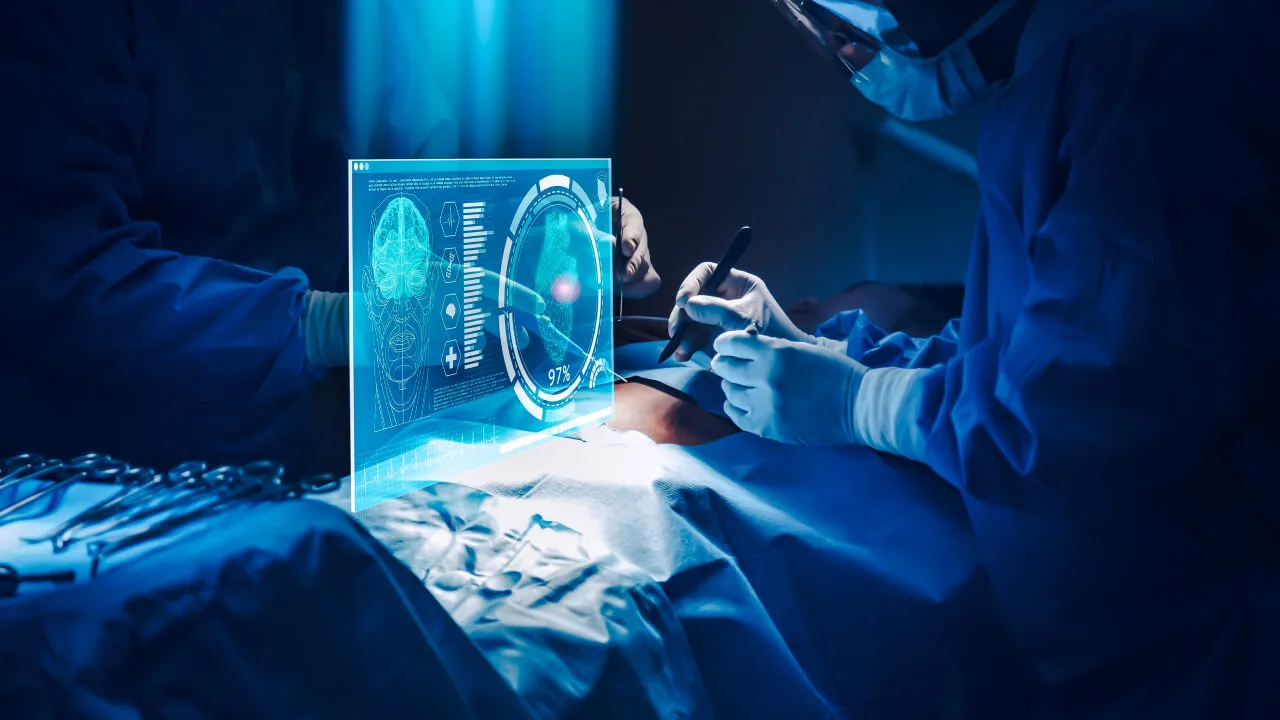
VR in the Medical Field
VR technology not only assists doctors with relieving patients’ pain and fear, but it also helps “future” doctors, namely medical students, accumulate their medical knowledge and sharpen their skills easily, and later apply them in the real world.
Some of the benefits of learning in VR include:
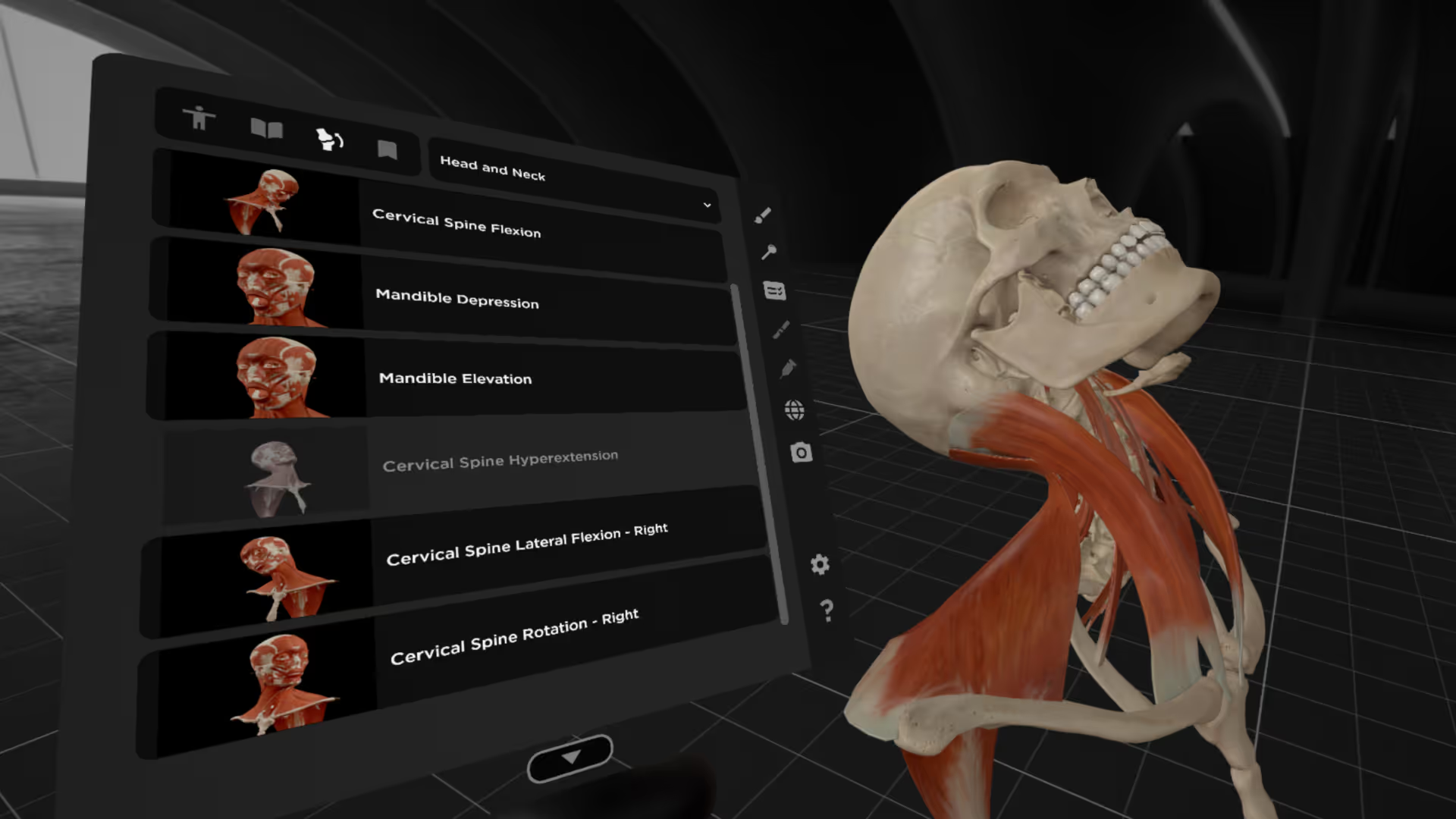
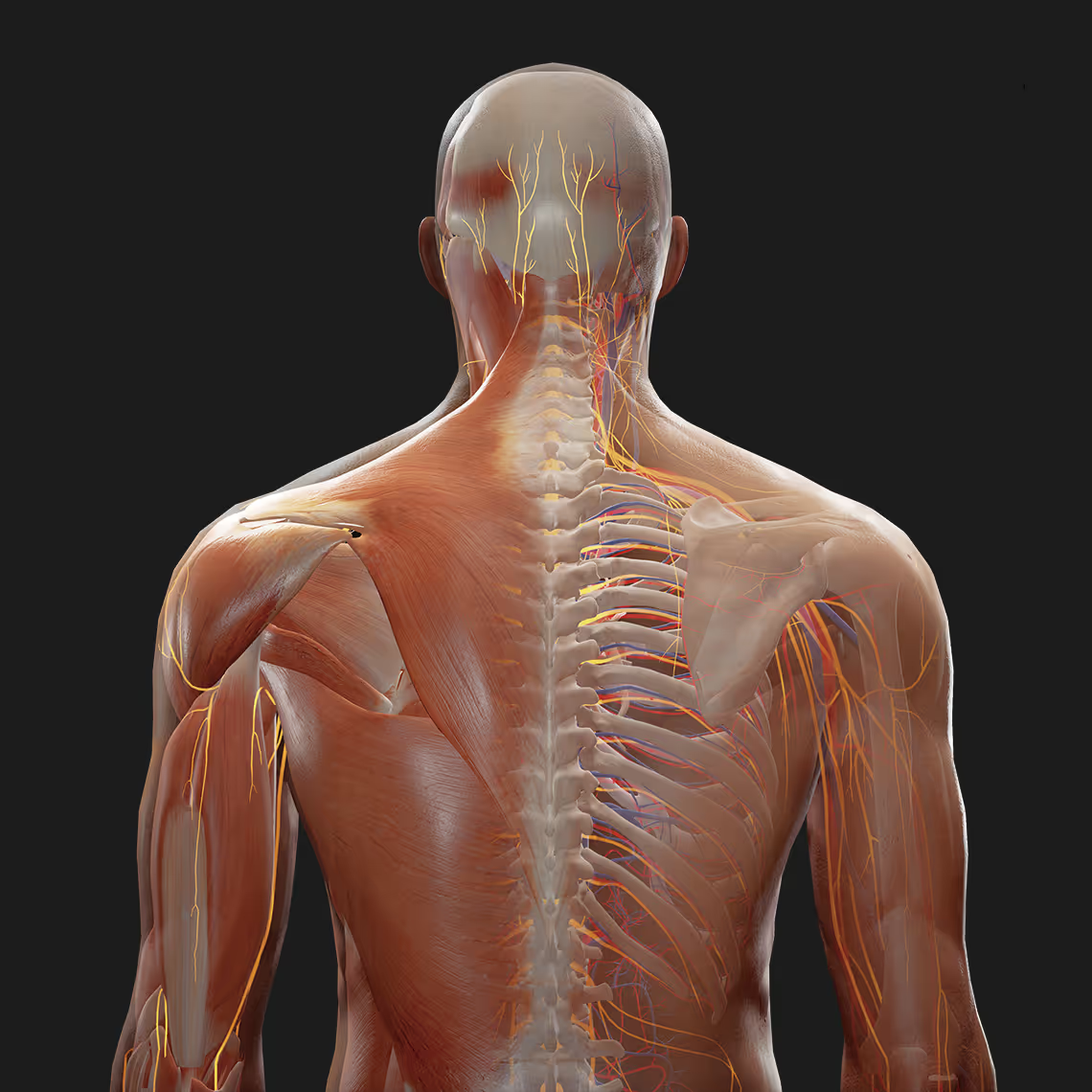
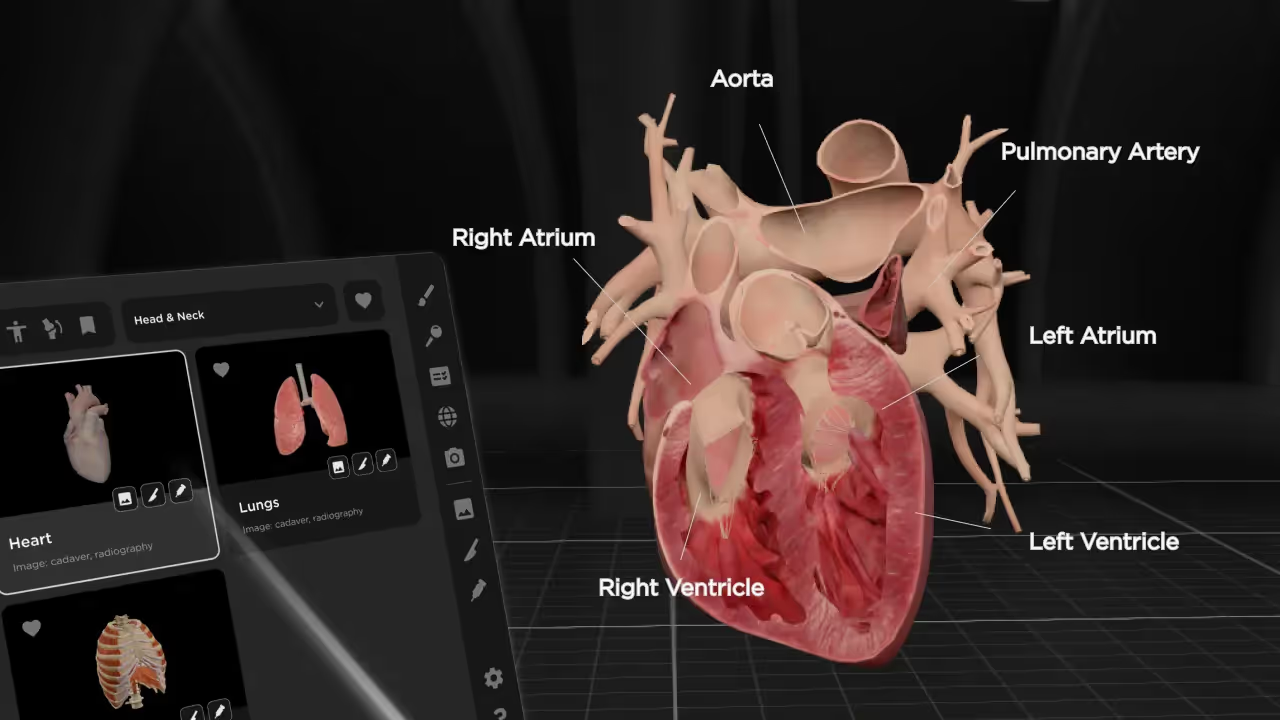
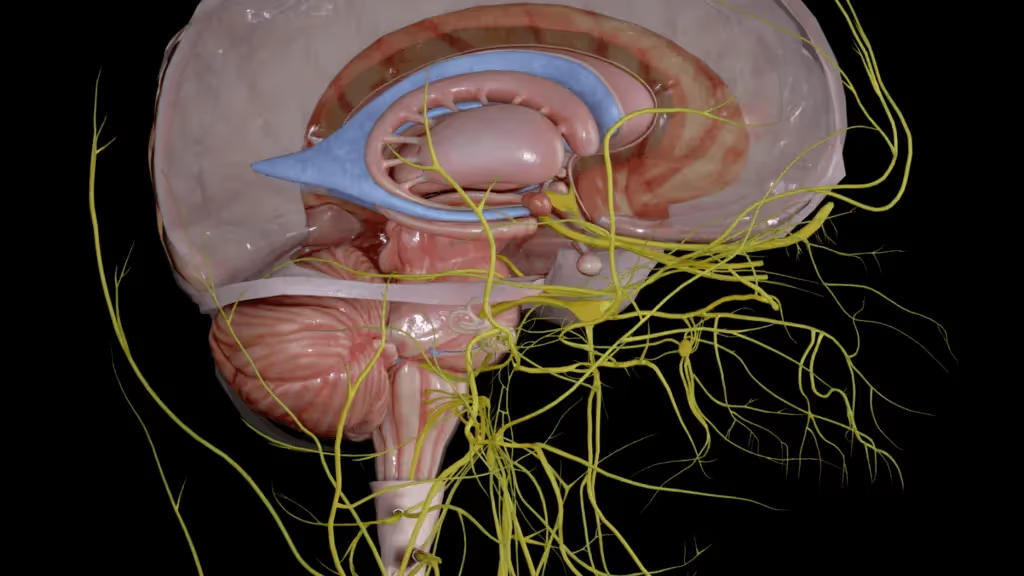
Visualization of the interior of the human body. Students can explore the interior of a beating heart and observe blood flow patterns, gaining spatial understanding that's impossible with traditional 2D diagrams.
Students receive immediate visual feedback as they explore anatomical structures, allowing them to understand spatial relationships and practice identifying structures repeatedly until mastery is achieved.
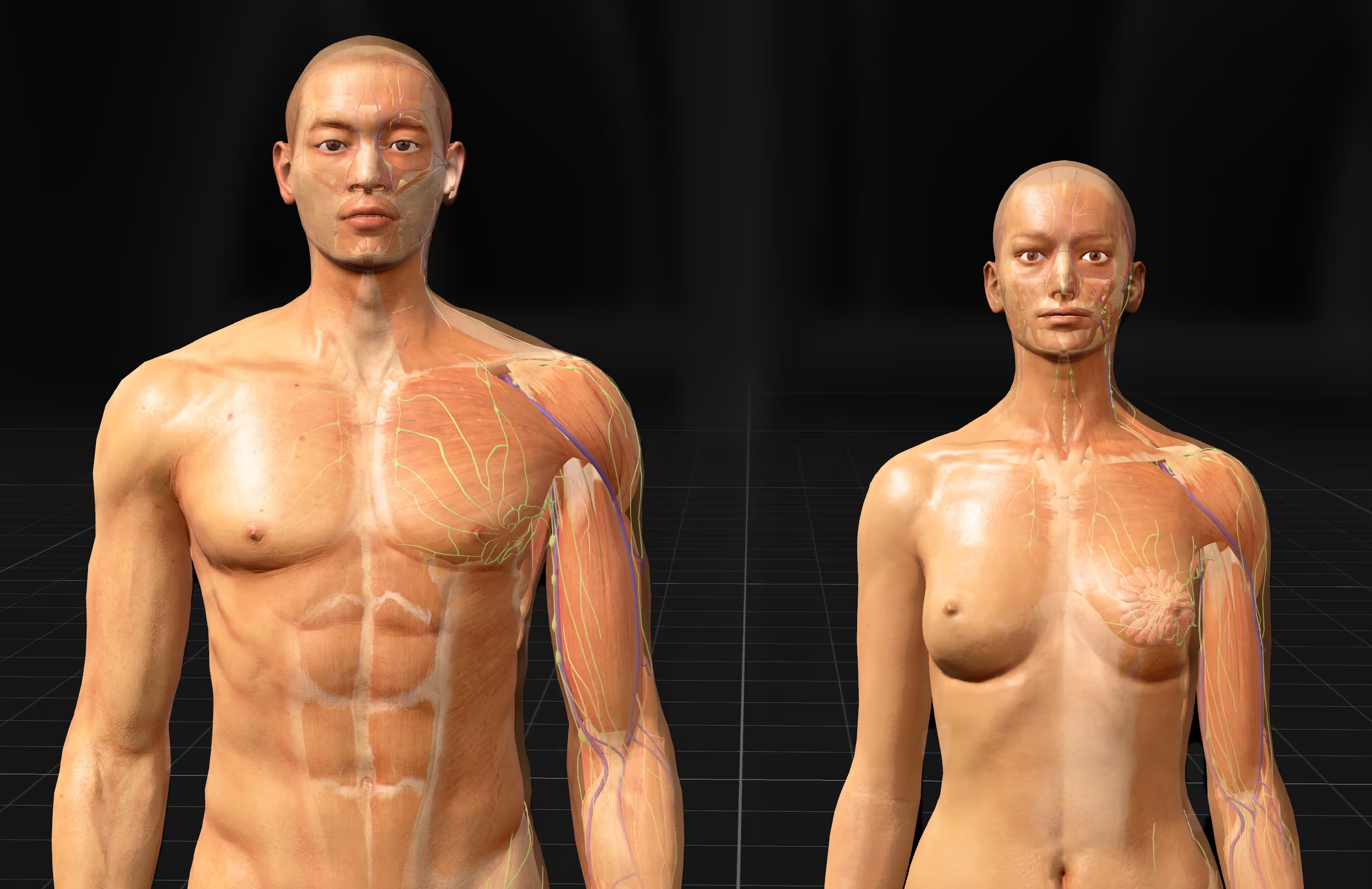
VR anatomy solutions address key educational challenges including limited cadaver access, restricted lab hours, and the difficulty students face in understanding complex 3D anatomical relationships from traditional 2D resources. The dissection of cadavers is a norm for every medical student. But now, it can be carried out in a virtual space repeatedly, at any time, with a VR anatomy solution which cost less.
VR provides medical schools with a powerful educational tool that enhances student understanding of complex anatomical relationships.
Virtual Reality in Medical Field for Physical Therapy and Rehabilitation
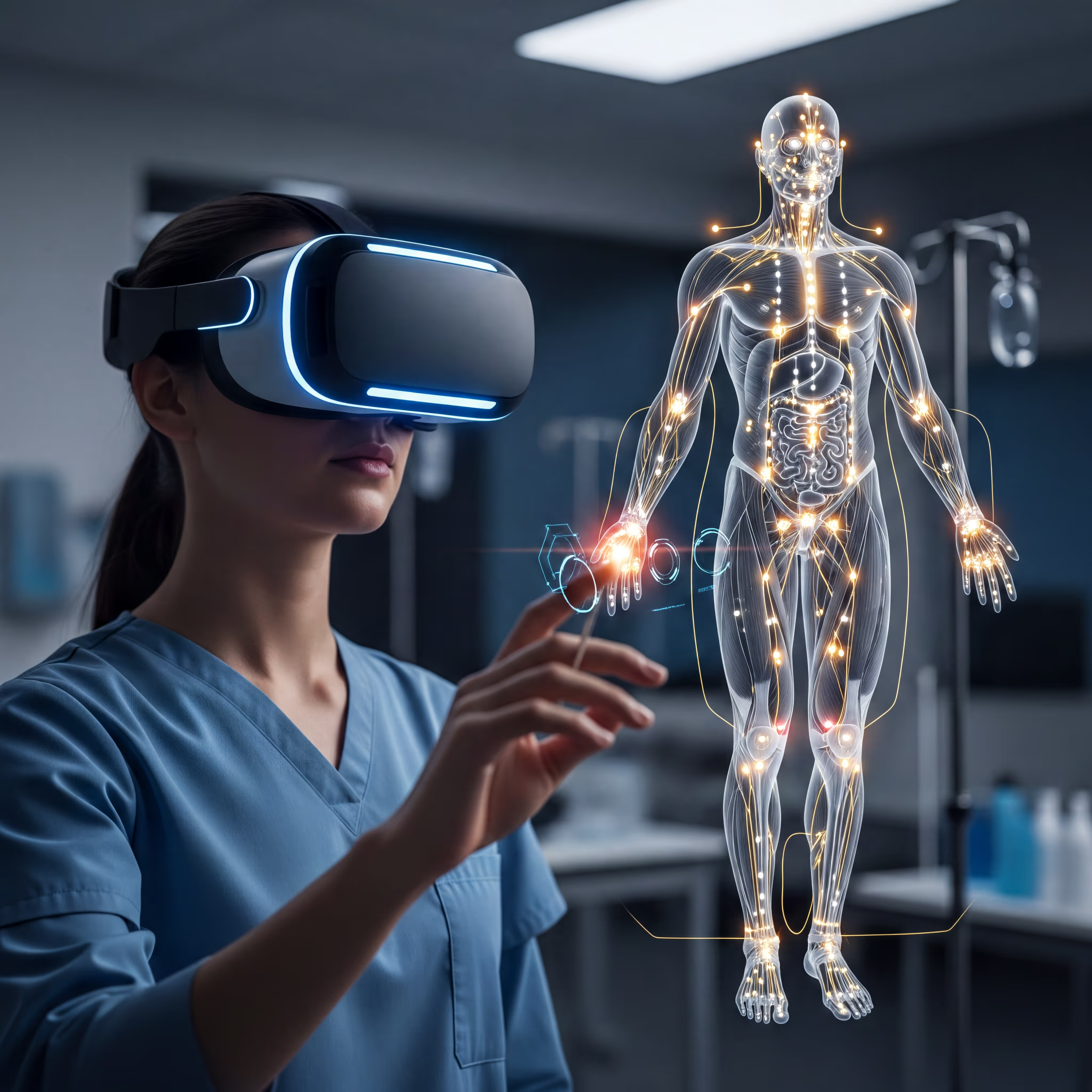
Nowadays, VR is incorporated into doctors’ practice to improve patients’ coordination and balance during physical therapy.
Let’s say you are experiencing shoulder pain. You may enjoy a session with your Physical Therapist (PT) while wearing a VR headset. Inside the headset, you may be required to watch a video and under its instructions, perform actions such as reaching over your head. This approach, known as Virtual Reality Therapy (VRT), is increasingly used by PTs to engage patients in their rehabilitation.
Or, you may have a balance problem after injuring your knee. With the help of VRT, your PT can create various contents that engage, entertain and challenge you in order for you to improve your movement and strength—things that are more difficult to achieve in the real world.
By integrating with VRT, it is easier for patients to stay focused and engaged in their rehabilitation process. It also increases the ease, acceptability, and effectiveness of treatment for anxiety, one of the most common mental disorders affecting about 30% of U.S. adults, according to The National Institute of Mental Health (NIMH).
Therapists can use VRT to improve:
Pain relief from for example your shoulder, back, and neck pain
Your upper and lower extremity coordination
The balance of your body from knee or hip surgery, especially in the first days which are the most important stage for early treatment
The proper head or eye movements to help you stay upright
In 2019, another NLM study[PubMed] evaluated the impact of VR in rehabilitation and included expert commentary from Dr. Sarah Lin. The findings, cited alongside a Fortune Business Insights report, highlight how VR can enhance balance training and mobility.
We can conclude that applying VR in healthcare has shortened the patients’ recovery time, making it easier for them to do exercises.
Overall, VR for patients provides an alternative way to relieve stress and distract their attention away from their pain, and motivate and encourage them to finish their exercises in physical therapy or rehabilitation
[fs-toc-h2]Future of VR in Medicine
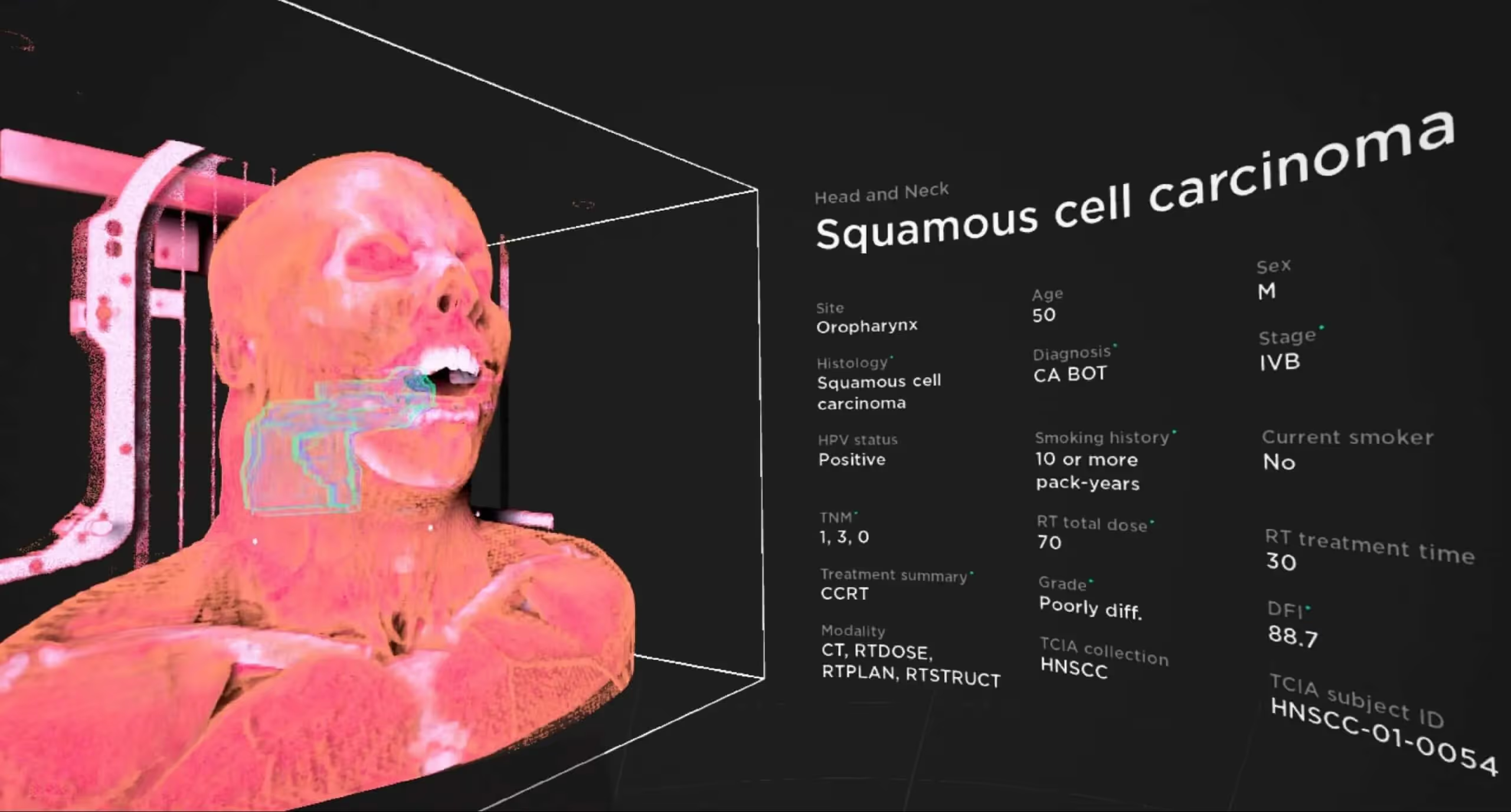
Today, we see medical VR technology being used in areas such as pain management, therapy, rehabilitation, education, and training. In the near future, we may be addressing other areas such as preventive healthcare, assistive living, cancer therapy, and surgical training.
According to a report by Fortune Business Insights and MarketsandMarkets, the VR market in medicine is projected to reach new milestones by 2024/2025, buoyed by recent FDA approvals and growing investment in VR research.
The future of VR in medical education will likely expand beyond current applications, with immersive anatomy learning becoming a standard component of medical curricula as institutions recognize its proven benefits for student comprehension and retention.
It is believed that virtual reality in medicine will become widely adopted, and even an “actual” reality.
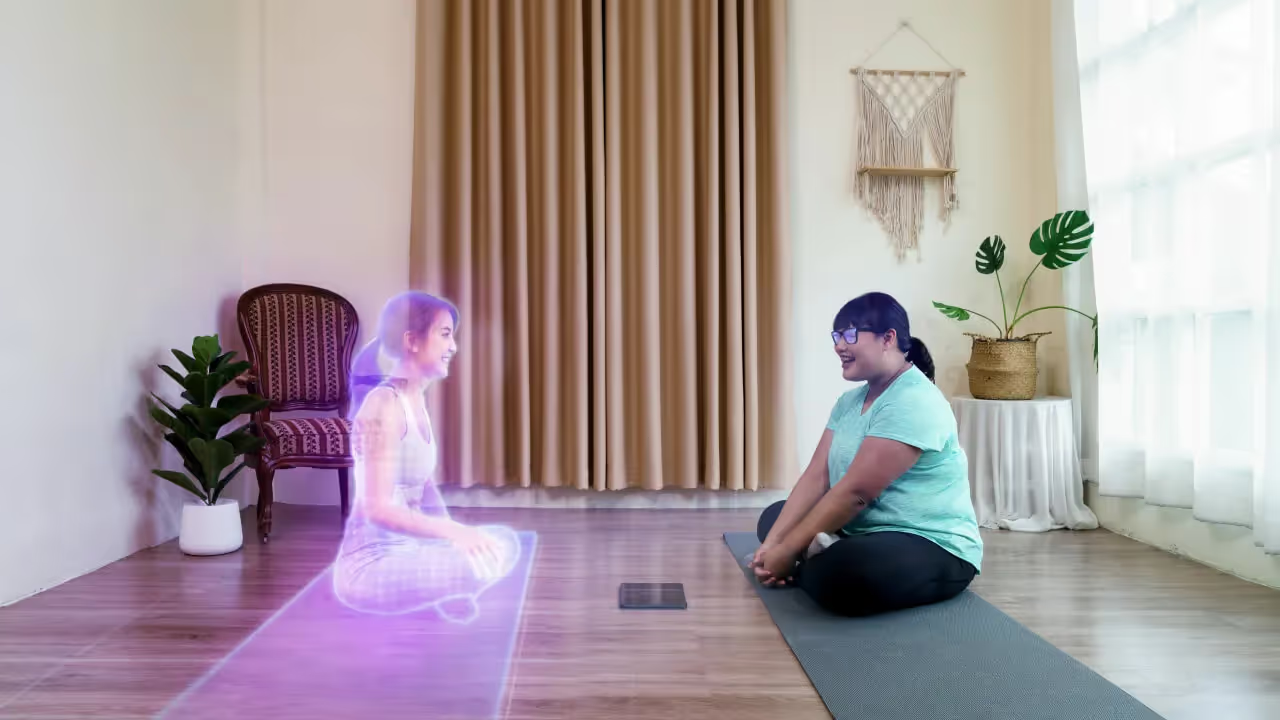
VR technology will continue to help hospitals in resolving phobias and fears, and schools in surgery simulations with real-life-like experiences at a much lower cost. On top of that, there is also a great potential we will be booking in-person doctor appointments, meeting with therapists in a virtual reality room for exercises, or dissecting human bodies countless time in a virtual classroom.
Key Takeaways & Next Steps
Virtual reality is reshaping medicine—from anatomy training to physical therapy—by offering immersive, data-driven solutions that complement traditional methods.
Adopt VR for specialized medical training.
Explore VR applications for pain management.
Incorporate VR with existing rehabilitation protocols.
Begin your VR anatomy journey today, sign up for a 7-day free trial.

Clinical Validation & Research
Learn how to navigate the 3D model and utilize the tools to master human anatomy—all in one place.
.jpeg)
.avif)

.avif)
.avif)



The Benefits of Acupuncture for Pain Relief

The Importance of Regular Exercise for Mental Health
The Benefits of Meditation for Stress Reduction
The Importance of a Balanced Diet for Overall Health
The Benefits of Yoga for Mind and Body
The Benefits of Meditation for Stress Reduction